Yep, we may get a tiny thank-you (read: commission) when you buy through
links on Soundfindr — not enough for a yacht, but enough to keep the lights (and
servers) on.
Learn more
Ooops...!
You've got an alert.
10
Alternatives
0
Likes
The 10 Alternatives to Rode Wireless GO
:
A-Grade Wireless Microphone Systems for Creators — 2026
Reveal top alternatives to Rode Wireless GO with modern features like dual transmitters, noise reduction, and extended battery life
Explore Your Options
Alternative products worth considering.
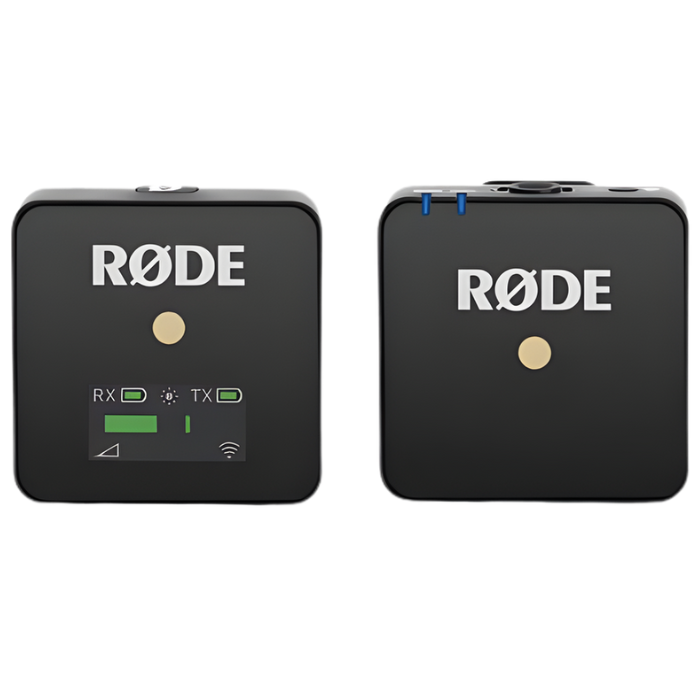
Rode Wireless GO has become a familiar reference point for creators who want a compact wireless microphone system that is easy to clip on and quick to use for vlogging, interviews, and mobile video. That is exactly why readers searching for alternatives to Rode Wireless GO are usually not starting from zero; they already know the appeal of a small all-in-one setup and want to see what else might fit their workflow better. In practice, that often means looking beyond brand recognition and focusing on what the numbers and real use patterns actually say.
The strongest alternatives tend to separate themselves through measurable factors that affect day-to-day recording. Across the sources, those factors include transmission range, battery life, onboard recording options, support for safety tracks, compatibility with smartphones and cameras, and whether the system supports extras like lavalier inputs, noise reduction, low cut filtering, or 32-bit float capture. For example, some lower cost options are positioned around value, with dual channel recording, gain adjustment, and range up to 150 m. At the same time, more advanced systems emphasize internal recording, timecode support, or up to 40 hours of onboard 32-bit float storage for backup protection during shoots.
Usability matters as much as raw specs. Several sources point to recurring trade-offs around receiver compatibility, including adapters, charging case design, build quality, and whether a system feels dependable for smartphones, cameras, or mixed setups. Reader discussions also show that some users start shopping for alternatives because they want fewer dropouts, cleaner performance with lavaliers, or a setup that better suits teaching, interviews, or moving around on camera. That makes this kind of comparison less about replacing one product outright and more about matching the right microphone system to the way you actually record.
In this guide, the goal is to evaluate the Alternative to Rode Wireless GO through verified features, practical trade-offs, and pricing context, so you can judge which options make sense for your recording style without relying on hype alone.
Alternative Options
Other products worth your attention.
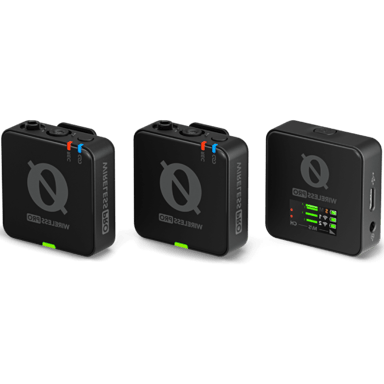
The Rode Wireless PRO is a relevant and strong alternative to the Rode Wireless GO for users needing a professional wireless audio solution. It offers an updated feature set with enhanced compatibility and connectivity options while maintaining the core wireless audio functionality suited for live, streaming, and podcast environments.
Both products are wireless systems designed for professional audio capture and streaming use.
They share omnidirectional polar pattern microphones, ideal for capturing natural sound in various recording contexts.
The Wireless PRO supports USB connectivity alongside analog outputs, broadening compatibility with modern devices compared to the Wireless GO.
The Wireless PRO includes studio-grade internal preamps and offers more robust mounting options including magnetic clips.
Overall, the Wireless PRO provides a meaningful functional upgrade and can practically replace the Wireless GO in most professional use cases.
Nerdy Bits & Must-Knows
Specs worth knowing…
Rode Wireless PRO
Product Type
What is the product type?
80
Rode Wireless PRO
0
Votes
Wireless
52
Microphones in this range
Condenser
Rode Wireless PRO
Ideal for portable, mobile use with freedom from cables, commonly used for vlogging, interviews, or broadcast setups.
Defines the basic category of the microphone.
When it comes to Product Type,
Rode Wireless PRO ◉ is
better than
Microphone in this range ◉
, delivering
higher
28 score
measurement.
Don’t keep it to yourself — be the first to react and review the
Product Type on Rode Wireless PRO
◉ and help others decide!
Rode Wireless PRO
Compatibility
Which devices or platforms are compatible?
75
Rode Wireless PRO
0
Votes
Camera, Smartphone, Mac, PC
44
Microphones in this range
Mixer, Audio Interface, PA System
Rode Wireless PRO
Works seamlessly with both mobile devices and professional cameras or PCs, offering universal compatibility.
Lists supported platforms and devices.
When it comes to Compatibility,
Rode Wireless PRO ◉ is
better than
Microphone in this range ◉
, delivering
higher
31 score
measurement.
Don’t keep it to yourself — be the first to react and review the
Compatibility on Rode Wireless PRO
◉ and help others decide!
Rode Wireless PRO
Polar Pattern Type
What is the polar pattern type?
60
Rode Wireless PRO
0
Votes
Omnidirectional
61
Microphones in this range
Cardioid
Rode Wireless PRO
Captures sound equally from all directions, making it ideal for recordings with multiple sound sources.
Identifies the default pickup pattern.
When it comes to Polar Pattern Type,
Rode Wireless PRO ◉ is
worse than
Microphone in this range ◉
, delivering
equal
1 score
measurement.
Don’t keep it to yourself — be the first to react and review the
Polar Pattern Type on Rode Wireless PRO
◉ and help others decide!
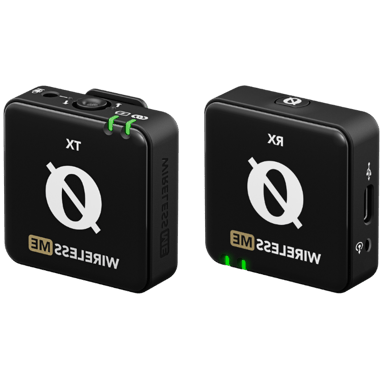
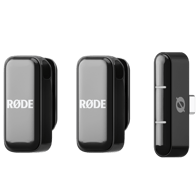
The Rode Wireless ME is a relevant alternative to the Rode Wireless GO for users seeking a wireless microphone system primarily intended for podcasting, streaming, and video recording. While both products share core wireless functionality and compatibility, differences in form factor and specific use cases may influence the choice depending on user preferences.
Both systems are wireless and use RF technology for audio transmission, enabling mobility and convenience during live or recorded performances.
They share broad compatibility with devices such as PC, Mac, iOS, Android, and cameras, making them versatile for various recording setups.
The Wireless ME uses a lavalier microphone form factor versus the Wireless GO's built-in condenser mic, which impacts how the microphone is worn and positioned.
Both feature omnidirectional polar patterns, ensuring good voice capture from different angles suitable for live streaming and presentations.
Overall, the Wireless ME can serve as a practical wireless audio solution but may be better suited for users looking specifically for a lavalier style mic, while the Wireless GO offers an integrated mic for direct use without external attachments.
Nerdy Bits & Must-Knows
Specs worth knowing…
Rode Wireless ME
Product Type
What is the product type?
80
Rode Wireless ME
0
Votes
Wireless
62
Microphones in this range
Condenser
Rode Wireless ME
This wireless microphone system eliminates the need for cables, providing flexibility and convenience. Perfect for use in situations where mobility and freedom from wires are essential.
Defines the basic category of the microphone.
When it comes to Product Type,
Rode Wireless ME ◉ is
better than
Microphone in this range ◉
, delivering
higher
18 score
measurement.
Don’t keep it to yourself — be the first to react and review the
Product Type on Rode Wireless ME
◉ and help others decide!
Rode Wireless ME
Model Name
What is the model name?
70
Rode Wireless ME
0
Votes
Wireless ME
66
Microphones in this range
Super 55 Deluxe
Rode Wireless ME
The Wireless ME is designed for portability, providing high-quality wireless audio in a compact, easy-to-use package. Ideal for content creators on the move, whether for interviews or recording.
The specific product identifier from the manufacturer.
When it comes to Model Name,
Rode Wireless ME ◉ is
better than
Microphone in this range ◉
, delivering
higher
4 score
measurement.
Don’t keep it to yourself — be the first to react and review the
Model Name on Rode Wireless ME
◉ and help others decide!
53
Microphones in this range
Mixer, Audio Interface, PA System
Rode Wireless ME
Compatible with a wide range of devices including cameras, PCs, and smartphones, making it highly versatile. Whether you are using an iPhone, a DSLR, or a computer, this mic integrates seamlessly.
Lists supported platforms and devices.
When it comes to Compatibility,
Rode Wireless ME ◉ is
better than
Microphone in this range ◉
, delivering
higher
21 score
measurement.
Don’t keep it to yourself — be the first to react and review the
Compatibility on Rode Wireless ME
◉ and help others decide!
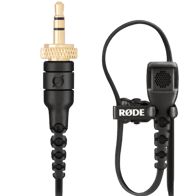
The Rode Filmmaker Kit shares core wireless microphone functionality with the Rode Wireless GO, making it a reasonable alternative for live and broadcast audio capture, though it uses a lavalier mic form factor rather than the integrated transmitter/mic design of the Wireless GO.
Both products are wireless condenser microphone systems designed for professional use in live, broadcast, and video recording settings.
They support similar mounting types with clip attachments, facilitating hands-free operation.
Each employs omnidirectional polar patterns, capturing sound from all directions effectively for general-purpose applications.
Both use RF wireless technology for transmission and are compatible with various recording devices like cameras and audio interfaces.
While the Filmmaker Kit includes a lavalier microphone and wired connectivity option, it can serve as a practical replacement depending on the user's preferred mic style and setup.
Nerdy Bits & Must-Knows
Specs worth knowing…
Rode Filmmaker Kit
Product Type
What is the product type?
83
Rode Filmmaker Kit
0
Votes
Condenser, Wireless
63
Microphones in this range
Condenser
Rode Filmmaker Kit
This wireless condenser mic system gives you crisp, studio-like audio without being tethered by cables. It’s perfect for filmmakers, interviewers, or event hosts who need mobility and professional sound.
Defines the basic category of the microphone.
When it comes to Product Type,
Rode Filmmaker Kit ◉ is
better than
Microphone in this range ◉
, delivering
higher
20 score
measurement.
Don’t keep it to yourself — be the first to react and review the
Product Type on Rode Filmmaker Kit
◉ and help others decide!
Rode Filmmaker Kit
Model Name
What is the model name?
63
Rode Filmmaker Kit
0
Votes
Filmmaker Kit
55
Microphones in this range
Super 55 Deluxe
Rode Filmmaker Kit
The Filmmaker Kit is RØDE’s go-to wireless lavalier set designed for video production and content creators. It’s built to deliver broadcast-quality sound in an easy-to-use package.
The specific product identifier from the manufacturer.
When it comes to Model Name,
Rode Filmmaker Kit ◉ is
better than
Microphone in this range ◉
, delivering
higher
8 score
measurement.
Don’t keep it to yourself — be the first to react and review the
Model Name on Rode Filmmaker Kit
◉ and help others decide!
Rode Filmmaker Kit
Intended Use
What is the intended use?
85
Rode Filmmaker Kit
0
Votes
Live, Broadcast, Video Recording
64
Microphones in this range
Studio, Live, Podcast, Broadcast, Instrument, Streaming
Rode Filmmaker Kit
Designed for on-camera use, this kit shines in live interviews and professional broadcasting. It captures clear voice audio even in dynamic environments like film sets or event halls.
Describes the primary application area.
When it comes to Intended Use,
Rode Filmmaker Kit ◉ is
better than
Microphone in this range ◉
, delivering
higher
21 score
measurement.
Don’t keep it to yourself — be the first to react and review the
Intended Use on Rode Filmmaker Kit
◉ and help others decide!
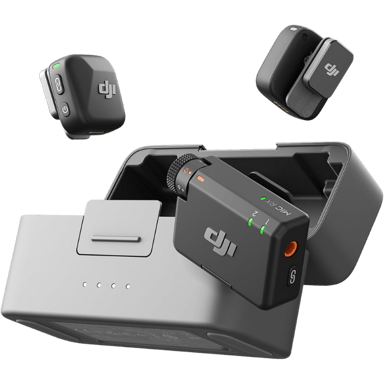
The DJI Mic Mini can be considered a relevant alternative to the Rode Wireless GO for wireless audio capture, especially in scenarios like streaming and live podcasting. Both devices offer wireless connectivity with clip-on mounting and target similar user groups, making the DJI Mic Mini a practical substitute despite some differences in hardware and connectivity types.
Both products are wireless audio systems designed for capturing vocal content conveniently without cables.
They share similar intended uses, such as live streaming, podcasting, and live applications.
Each device uses clip mounting for easy attachment to clothing or setups.
Compatibility overlaps partly with support for cameras and mobile devices, suitable for multi-platform usage.
While the DJI Mic Mini emphasizes USB connectivity and newer wireless tech, it still fulfills core functions comparable to the Rode Wireless GO.
Nerdy Bits & Must-Knows
Specs worth knowing…
DJI Mic Mini
Product Type
What is the product type?
80
DJI Mic Mini
0
Votes
Wireless
62
Microphones in this range
Condenser
DJI Mic Mini
The wireless functionality allows for complete freedom of movement, perfect for interviews or video shoots without the hassle of cords.
Defines the basic category of the microphone.
When it comes to Product Type,
DJI Mic Mini ◉ is
better than
Microphone in this range ◉
, delivering
higher
18 score
measurement.
Don’t keep it to yourself — be the first to react and review the
Product Type on DJI Mic Mini
◉ and help others decide!
DJI Mic Mini
Intended Use
What is the intended use?
80
DJI Mic Mini
0
Votes
Streaming
62
Microphones in this range
Studio, Live, Podcast, Broadcast, Instrument, Streaming
DJI Mic Mini
Ideal for streamers and vloggers who need a reliable, portable microphone for clear audio in dynamic environments.
Describes the primary application area.
When it comes to Intended Use,
DJI Mic Mini ◉ is
better than
Microphone in this range ◉
, delivering
higher
18 score
measurement.
Don’t keep it to yourself — be the first to react and review the
Intended Use on DJI Mic Mini
◉ and help others decide!
DJI Mic Mini
Compatibility
Which devices or platforms are compatible?
70
DJI Mic Mini
0
Votes
iOS, Android, Camera
53
Microphones in this range
Mixer, Audio Interface, PA System
DJI Mic Mini
Works seamlessly with smartphones and cameras, providing a versatile solution for a wide range of devices.
Lists supported platforms and devices.
When it comes to Compatibility,
DJI Mic Mini ◉ is
better than
Microphone in this range ◉
, delivering
higher
17 score
measurement.
Don’t keep it to yourself — be the first to react and review the
Compatibility on DJI Mic Mini
◉ and help others decide!
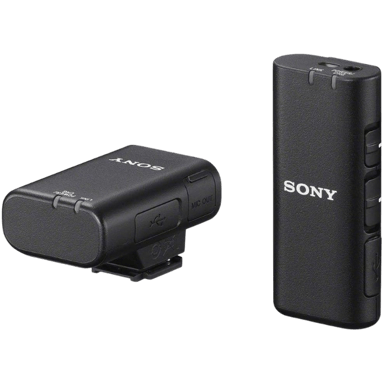
The Sony ECM-W2BT is a relevant alternative to the Rode Wireless GO as both are wireless condenser microphone systems designed for professional use in live, studio, and broadcast settings. While there are some differences in wireless technology and compatibility, the Sony model can serve similar recording and streaming purposes effectively.
Both products are wireless condenser microphones aimed at professional and adult users.
They share an omnidirectional polar pattern suitable for capturing natural sound in various settings.
Each device offers clip mounting for easy attachment to clothing or cameras, supporting versatile usage.
Both have analog audio output and use rechargeable lithium-based batteries with USB-C charging.
Overall, the Sony ECM-W2BT provides a strong alternative for users seeking a wireless microphone solution comparable to the Rode Wireless GO.
Nerdy Bits & Must-Knows
Specs worth knowing…
Sony ECM-W2BT
Product Type
What is the product type?
74
Sony ECM-W2BT
0
Votes
Wireless, Condenser
62
Microphones in this range
Condenser
Sony ECM-W2BT
The ECM-W2BT is a wireless microphone with a condenser capsule, ideal for recording high-quality audio without cables. This flexibility makes it especially convenient for mobile shoots or outdoor recordings.
Defines the basic category of the microphone.
When it comes to Product Type,
Sony ECM-W2BT ◉ is
better than
Microphone in this range ◉
, delivering
higher
12 score
measurement.
Don’t keep it to yourself — be the first to react and review the
Product Type on Sony ECM-W2BT
◉ and help others decide!
Sony ECM-W2BT
Intended Use
What is the intended use?
64
Sony ECM-W2BT
0
Votes
Studio, Live, Podcast, Broadcast, Video Recording
62
Microphones in this range
Studio, Live, Podcast, Broadcast, Instrument, Streaming
Sony ECM-W2BT
The ECM-W2BT is perfect for various environments, whether you’re recording interviews in the studio, podcasts on the go, or broadcasting live events.
Describes the primary application area.
When it comes to Intended Use,
Sony ECM-W2BT ◉ is
better than
Microphone in this range ◉
, delivering
higher
2 score
measurement.
Don’t keep it to yourself — be the first to react and review the
Intended Use on Sony ECM-W2BT
◉ and help others decide!
Sony ECM-W2BT
Polar Pattern Type
What is the polar pattern type?
39
Sony ECM-W2BT
0
Votes
Omnidirectional
59
Microphones in this range
Cardioid
Sony ECM-W2BT
The omnidirectional microphone capsule picks up sound equally from all directions, making it suitable for dynamic environments with multiple speakers.
Identifies the default pickup pattern.
When it comes to Polar Pattern Type,
Sony ECM-W2BT ◉ is
worse than
Microphone in this range ◉
, delivering
equal
20 score
measurement.
Don’t keep it to yourself — be the first to react and review the
Polar Pattern Type on Sony ECM-W2BT
◉ and help others decide!
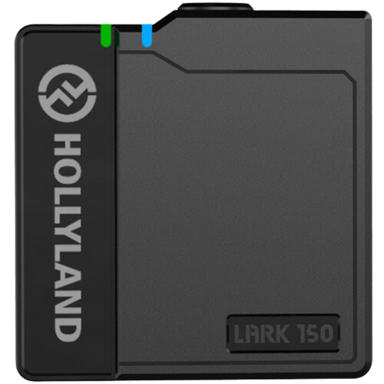
The Hollyland LARK 150 is a relevant alternative to the Rode Wireless GO for users needing a wireless microphone system primarily for streaming and similar applications. Both products share essential wireless features and cater to professional users across compatible platforms.
Both are wireless microphone systems designed for live streaming and content creation.
They feature omnidirectional microphones suitable for capturing audio in various environments.
Both support broad compatibility with devices including iOS, Android, PC, Mac, and cameras.
Each uses USB-C for charging and features lithium-based batteries providing portable power solutions.
While their form factors differ slightly, the Hollyland LARK 150 can realistically replace the Rode Wireless GO for most practical use cases in streaming and professional audio capture.
Nerdy Bits & Must-Knows
Specs worth knowing…
Hollyland LARK 150
Product Type
What is the product type?
79
Hollyland LARK 150
0
Votes
Wireless
62
Microphones in this range
Condenser
Defines the basic category of the microphone.
When it comes to Product Type,
Hollyland LARK 150 ◉ is
better than
Microphone in this range ◉
, delivering
higher
17 score
measurement.
Don’t keep it to yourself — be the first to react and review the
Product Type on Hollyland LARK 150
◉ and help others decide!
53
Microphones in this range
Mixer, Audio Interface, PA System
Lists supported platforms and devices.
When it comes to Compatibility,
Hollyland LARK 150 ◉ is
better than
Microphone in this range ◉
, delivering
higher
20 score
measurement.
Don’t keep it to yourself — be the first to react and review the
Compatibility on Hollyland LARK 150
◉ and help others decide!
Hollyland LARK 150
Polar Pattern Type
What is the polar pattern type?
39
Hollyland LARK 150
0
Votes
Omnidirectional
59
Microphones in this range
Cardioid
Hollyland LARK 150
The microphone utilizes an Omnidirectional polar pattern, meaning it picks up sound equally from all directions. This is ideal for capturing ambient sound or when the sound source's position may vary.
Identifies the default pickup pattern.
When it comes to Polar Pattern Type,
Hollyland LARK 150 ◉ is
worse than
Microphone in this range ◉
, delivering
equal
20 score
measurement.
Don’t keep it to yourself — be the first to react and review the
Polar Pattern Type on Hollyland LARK 150
◉ and help others decide!
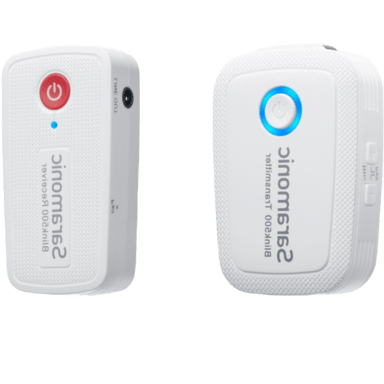
The Saramonic Blink 500 T4 is a relevant alternative to the Rode Wireless GO for users seeking a wireless microphone system with similar core functionality, especially for video recording and streaming purposes. Both devices offer comparable wireless audio transmission with omnidirectional condenser microphones and support a broad range of compatible devices.
Both products are wireless condenser microphone systems suitable for professional use including streaming, podcasting, and live recording.
They share broad device compatibility, working with PC, Mac, iOS, Android, and cameras.
Both utilize omnidirectional microphone capsules, enabling similar audio pickup patterns.
They operate using RF wireless technology and support USB-C charging methods.
Though the Saramonic offers some additional mounting options and a dual stereo/mono mode, it can generally replace the Rode Wireless GO in similar use cases.
Nerdy Bits & Must-Knows
Specs worth knowing…
Saramonic Blink 500 T4
Product Type
What is the product type?
80
Saramonic Blink 500 T4
0
Votes
Wireless
50
Microphones in this range
Condenser
Defines the basic category of the microphone.
When it comes to Product Type,
Saramonic Blink 500 T4 ◉ is
better than
Microphone in this range ◉
, delivering
higher
30 score
measurement.
Don’t keep it to yourself — be the first to react and review the
Product Type on Saramonic Blink 500 T4
◉ and help others decide!
Saramonic Blink 500 T4
Model Name
What is the model name?
67
Saramonic Blink 500 T4
0
Votes
Blink 500 T4
56
Microphones in this range
Super 55 Deluxe
The specific product identifier from the manufacturer.
When it comes to Model Name,
Saramonic Blink 500 T4 ◉ is
better than
Microphone in this range ◉
, delivering
higher
11 score
measurement.
Don’t keep it to yourself — be the first to react and review the
Model Name on Saramonic Blink 500 T4
◉ and help others decide!
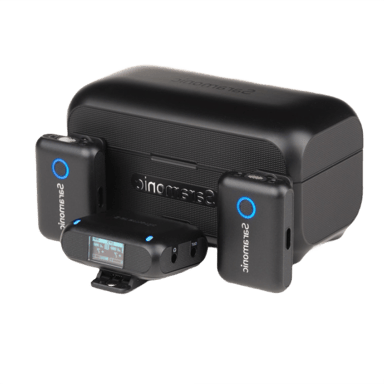
The Saramonic Blink 500 B2+ is a relevant wireless microphone alternative to the Rode Wireless GO, sharing core features that meet similar professional audio needs for live, streaming, and broadcast applications.
Both systems are wireless with RF technology, designed for easy clip-on use, making them suitable for presentations and on-the-move audio capture.
They offer omnidirectional capsules and similar compatibility across platforms including PC, Mac, iOS, Android, and cameras.
The Blink 500 B2+ supports multiple connection interfaces including USB-C and Lightning, providing versatile digital and analog output options beyond the Rode Wireless GO's analog output.
Both products target a professional user base and are intended for streaming, podcasting, broadcasting, and live recording scenarios.
While the Blink 500 B2+ adds some extra connectivity options and is a newer model, it functions as a practical replacement for the Rode Wireless GO in most typical use cases.
Nerdy Bits & Must-Knows
Specs worth knowing…
Saramonic Blink 500 B2+
Product Type
What is the product type?
79
Saramonic Blink 500 B2+
0
Votes
Wireless
62
Microphones in this range
Condenser
Saramonic Blink 500 B2+
This is a Wireless product type, signifying its ability to transmit audio without physical cable connections.
Defines the basic category of the microphone.
When it comes to Product Type,
Saramonic Blink 500 B2+ ◉ is
better than
Microphone in this range ◉
, delivering
higher
17 score
measurement.
Don’t keep it to yourself — be the first to react and review the
Product Type on Saramonic Blink 500 B2+
◉ and help others decide!
Saramonic Blink 500 B2+
Model Name
What is the model name?
75
Saramonic Blink 500 B2+
0
Votes
Blink 500 B2+
66
Microphones in this range
Super 55 Deluxe
The specific product identifier from the manufacturer.
When it comes to Model Name,
Saramonic Blink 500 B2+ ◉ is
better than
Microphone in this range ◉
, delivering
higher
9 score
measurement.
Don’t keep it to yourself — be the first to react and review the
Model Name on Saramonic Blink 500 B2+
◉ and help others decide!
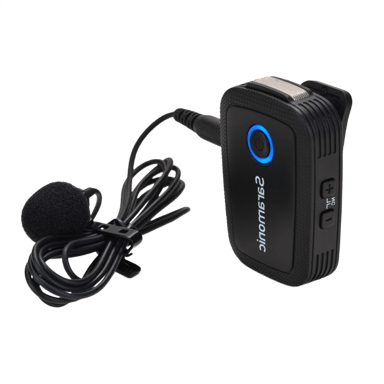
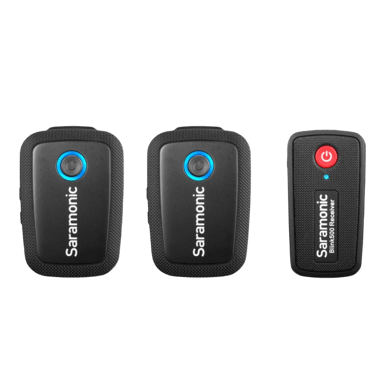
The Saramonic Blink 500 B1 serves as a relevant alternative to the Rode Wireless GO for users seeking a compact wireless audio solution primarily for streaming and video recording. While both products share core wireless functionality and are designed for professional and adult users, there are some differences in form factor and compatibility that may influence replacement decisions.
Both products operate as wireless microphone systems suitable for streaming and live video applications.
They share an omnidirectional polar pattern, ensuring similar audio pickup characteristics.
Each uses RF wireless technology with the option for USB connectivity (USB-C on the Saramonic), supporting broad compatibility.
Both feature clip mounting types and are designed for unisex adult professional use.
However, the Saramonic uses a lavalier microphone form factor compared to the Rode's compact transmitter design, and its compatibility focuses more on camera and smartphone connectivity, while Rode supports a wider range including PC, Mac, and audio interfaces. Overall, the Blink 500 B1 can be considered a strong alternative depending on your exact use case and device ecosystem.
Nerdy Bits & Must-Knows
Specs worth knowing…
Saramonic Blink 500 B1
Product Type
What is the product type?
69
Saramonic Blink 500 B1
0
Votes
Wireless
52
Microphones in this range
Condenser
Saramonic Blink 500 B1
This product is a Wireless microphone system, providing freedom of movement without the constraint of cables, making it ideal for on-location recording and video production.
Defines the basic category of the microphone.
When it comes to Product Type,
Saramonic Blink 500 B1 ◉ is
better than
Microphone in this range ◉
, delivering
higher
17 score
measurement.
Don’t keep it to yourself — be the first to react and review the
Product Type on Saramonic Blink 500 B1
◉ and help others decide!
Saramonic Blink 500 B1
Intended Use
What is the intended use?
87
Saramonic Blink 500 B1
0
Votes
Streaming, Video Recording
70
Microphones in this range
Studio, Live, Podcast, Broadcast, Instrument, Streaming
Describes the primary application area.
When it comes to Intended Use,
Saramonic Blink 500 B1 ◉ is
better than
Microphone in this range ◉
, delivering
higher
17 score
measurement.
Don’t keep it to yourself — be the first to react and review the
Intended Use on Saramonic Blink 500 B1
◉ and help others decide!
Saramonic Blink 500 B1
Polar Pattern Type
What is the polar pattern type?
59
Saramonic Blink 500 B1
0
Votes
Omnidirectional
69
Microphones in this range
Cardioid
Saramonic Blink 500 B1
The microphone features an Omnidirectional polar pattern type. This means it picks up sound equally from all directions, making it ideal for capturing ambient sound or when the sound source's position might vary.
Identifies the default pickup pattern.
When it comes to Polar Pattern Type,
Saramonic Blink 500 B1 ◉ is
worse than
Microphone in this range ◉
, delivering
equal
10 score
measurement.
Don’t keep it to yourself — be the first to react and review the
Polar Pattern Type on Saramonic Blink 500 B1
◉ and help others decide!
The Saramonic Blink 500 B2 is a relevant alternative to the Rode Wireless GO as a wireless microphone system designed for on-the-go audio recording and streaming applications.
Both products provide wireless audio transmission, suitable for live presentations, streaming, and video recording.
They offer broad compatibility with devices including PC, Mac, iOS, Android, and cameras.
Both use omnidirectional microphones facilitating clear voice capture in various environments.
They feature clip mounting types, making them easy to attach and wear professionally.
Although the form factor differs slightly with the Blink 500 B2 focusing on lavalier mics, it still serves a very similar practical purpose to the Wireless GO system.
Nerdy Bits & Must-Knows
Specs worth knowing…
Saramonic Blink 500 B2
Product Type
What is the product type?
79
Saramonic Blink 500 B2
0
Votes
Wireless
62
Microphones in this range
Condenser
Defines the basic category of the microphone.
When it comes to Product Type,
Saramonic Blink 500 B2 ◉ is
better than
Microphone in this range ◉
, delivering
higher
17 score
measurement.
Don’t keep it to yourself — be the first to react and review the
Product Type on Saramonic Blink 500 B2
◉ and help others decide!
Stuff You Were Too Shy to Ask
But we answered it anyway.
What factors determine wireless microphone audio quality performance?
Audio quality is typically influenced by bit depth, gain control, and noise handling. Systems offering 24-bit or 32-bit float recording can preserve more detail and reduce distortion during loud peaks. Features like safety track recording and built-in noise reduction may help maintain clarity in unpredictable environments. It is also important to consider microphone placement, since distance from the source can significantly affect signal strength and background noise levels. Interpreting these specs together gives a clearer picture of real-world performance rather than relying on a single metric.
How important is transmission range for wireless microphone systems?
Transmission range determines how far you can move while maintaining a stable signal, often measured up to around 150 meters in open conditions. However, real-world performance may vary depending on obstacles, interference, and indoor environments. A longer stated range can indicate stronger signal stability, but consistency is often more important than maximum distance. For users who move frequently while recording, a stable connection with low latency matters more than peak range figures alone.
What battery life should a reliable wireless microphone provide?
Battery life can directly impact usability during extended recording sessions, with some systems offering up to 20 hours per transmitter and additional charging through a case. Longer battery capacity reduces interruptions, especially for interviews or live recordings. It is also useful to consider whether the charging case functions as a portable power source. Evaluating both runtime and recharge convenience helps determine if a system supports your typical recording duration without frequent downtime.
Why do some systems include internal recording features?
Internal recording acts as a backup in case of signal dropouts or interference. Systems with onboard storage and 32-bit float capture can store audio directly on the transmitter, preserving recordings even if the wireless link fails. This feature is particularly useful in dynamic environments where signal stability may vary. While not always necessary, it adds a layer of reliability for professional or critical recordings where losing audio would be costly.
How do connectivity options affect microphone compatibility?
Compatibility depends on available outputs such as USB-C, Lightning, and 3.5 mm connections. Systems that support multiple interfaces can connect to smartphones, cameras, and computers without additional adapters. Some setups may require optional accessories, which can affect convenience and cost. Evaluating supported connections ensures the microphone integrates smoothly with your existing devices, reducing the need for extra components during setup.
What role does noise reduction play in recording quality?
Noise reduction features help minimize background sounds, but their effectiveness can vary depending on implementation. Some systems offer basic filtering, while others include advanced processing that reduces ambient noise without heavily affecting voice clarity. It is important to understand that noise reduction may alter the natural tone slightly, so results depend on the recording environment. Interpreting this feature alongside microphone placement and gain settings provides a more balanced expectation of audio quality.
How does build quality impact long term microphone reliability?
Build quality influences durability, especially for portable use. Systems with reinforced housings, secure clips, and well-designed charging cases tend to withstand frequent handling better. Materials like metal or high-grade plastics can indicate a longer lifespan compared to lower-cost constructions. Reliable physical design also includes strong connectors and stable mounting mechanisms, which reduce the risk of damage during regular use or transport.
Can wireless microphones replace other recording setups effectively?
Wireless systems can be highly versatile, but their effectiveness depends on the use case. While products like Rode Wireless GO offer convenience and mobility, alternative setups such as head-worn or desk-mounted microphones may provide more consistent audio in controlled environments. Wireless solutions excel when movement is required, but they may involve trade-offs in stability or environmental sensitivity. Understanding these differences helps determine whether a wireless system fully meets your recording needs.
Big Brain Stuff, Summed Up
Because who reads everything, right?
Choosing the right system ultimately comes down to how you weigh measurable performance factors like transmission stability, battery life, and recording safeguards. Some alternatives emphasize extended runtime, such as up to 20 hours per transmitter, while others focus on advanced features like 32-bit float recording or safety track backup to reduce clipping risks. These differences are not just technical; they can directly affect reliability during real-world use, especially in dynamic recording environments where movement, interference, or long sessions are involved.
It is also important to consider usability and compatibility alongside raw specifications. Systems that support multiple connection types, including USB-C, Lightning, and 3.5 mm, may integrate more easily across smartphones, cameras, and hybrid setups. Build quality, charging case design, and accessory support can further indicate how well a microphone performs over time. In some cases, users explore alternatives to Rode Wireless GO because they need better consistency with lavaliers, fewer signal interruptions, or a setup that aligns more closely with teaching, interviews, or mobile workflows.
By focusing on verified specs and practical trade-offs, you can evaluate each option based on your specific recording needs rather than assumptions. Comparing range, audio formats, and reliability features side by side helps clarify which system fits your priorities. A well-informed choice is usually the one grounded in data, not trends.